Executive Summary
Historically, Saudi Arabia and the United Arab Emirates (UAE) have pursued distinct diplomatic pathways in the Horn of Africa. While the UAE moved early to deal directly with Somaliland and sign strategic agreements to develop the Berbera Port and trade corridor, Saudi Arabia traditionally anchored its regional diplomacy on maintaining relations with Mogadishu.
However, a convergence of three major geopolitical vectors—the potential for a U.S.–Saudi defense and energy pact, Saudi Arabia's prospective entry into the Abraham Accords, and the imperative to secure the Bab el-Mandeb Strait and the Gulf of Aden—is compelling Riyadh to re-evaluate its diplomatic stance.
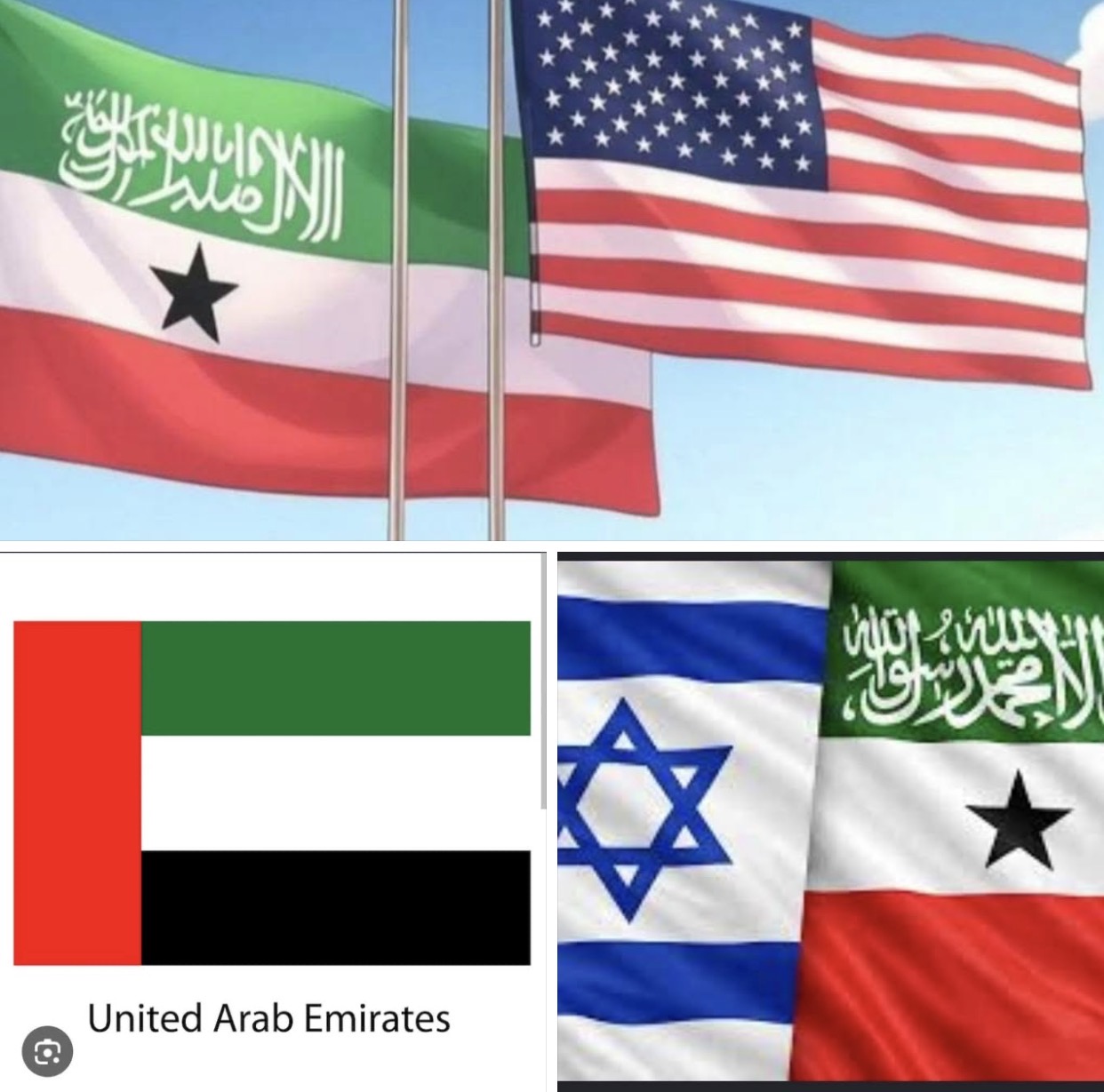
This shift is accelerated by the landmark event of December 26, 2025, when Israel officially recognized the Republic of Somaliland as an independent sovereign state "in the spirit of the Abraham Accords".
This de jure recognition by a UN member state transformed Somaliland's international standing, creating a precedent for other regional powers including Saudi Arabia to re-align their diplomatic and maritime strategies.
Key Drivers Shaping Saudi Arabia’s Strategic Realignment
1. Maritime Security, Legal Sovereignty, and De Jure Reality
• The Houthi Threat & Vision 2030:
Saudi Arabia’s economic transformation under Vision 2030 relies heavily on Red Sea development, including NEOM and major trade routes. Neutralizing maritime threats from across the water in Yemen is a non-negotiable core national security priority.
• Somaliland’s Territorial Jurisdiction:
The Gulf of Aden coastline, stretching 850 kilometers, falls squarely under the jurisdiction, administration, and full control of the Republic of Somaliland. Mogadishu exercises no physical control, administrative presence, or naval capability in these waters.
• International Legal Framework (Uti Possidetis):
Somaliland’s sovereign borders conform strictly to the 1964 Cairo Declaration of the Organization of African Unity (now the African Union), which mandates respect for colonial-era borders inherited upon independence. Having received its independence from Great Britain on June 26, 1960, as the State of Somaliland prior to its voluntary union with Italian Somaliland, Somaliland’s legal baseline for its land and maritime territory is firmly anchored in international law.
• The Transition from De Facto to De Jure:
Following 35 years of continuous self-governance, democratic elections, and border management since 1991, Somaliland's status evolved on December 26, 2025, when Israel granted full diplomatic recognition. For Saudi Arabia, dealing with Hargeisa is no longer merely an economic necessity it is an engagement with a recognized sovereign actor that holds legal and physical authority over the southern shore of the Gulf of Aden.
2. Strategic Realignment Architecture
A sequential geopolitical progression connects Washington, Riyadh, Jerusalem, and Hargeisa:
• The U.S.–Saudi Pact: A comprehensive bilateral arrangement spanning civil nuclear energy, defense integration, and strategic supply chains requires guaranteed safety across Red Sea sea lines of communication.
• Abraham Accords Integration: As Saudi Arabia explores joining the Abraham Accords framework, its interests align directly with existing signatories and partners namely Israel and the UAE who already maintain deep ties and diplomatic recognition with Somaliland.
• Red Sea & Gulf of Aden Security:
Securing the Bab el-Mandeb arc requires active operational partnership with the sovereign authority governing the adjacent coast.
• Somaliland Integration Axis:
This reality drives a shift away from a legacy Mogadishu-only policy toward direct engagement with Somaliland. It opens doors for commercial and defense arrangements anchored around Berbera Port and acknowledges 35 years of continuous stability in full alignment with the AU Cairo Declaration.
3. U.S.–Saudi Energy Deals & Economic Logistics
• Resilient Energy Corridors: Bilateral energy agreements between Washington and Riyadh require resilient logistics networks to insulate global supply chains from regional conflicts.
• Berbera as a Red Sea Logistics Pillar:
Expanded into a world-class deep-water logistics hub, Berbera Port provides a transit corridor for global trade and energy logistics. Integrating Berbera into broader Middle East–East Africa trade routes gives Gulf powers a stable, secure anchor point along the Gulf of Aden.
4. The Israel–UAE–Saudi Convergence
• A Unified Regional Architecture: Israel’s formal recognition of Somaliland and Somaliland's stated intention to join the Abraham Accords framework establishes a precedent. If Saudi Arabia normalizes relations with Israel, it enters a coalition where key partners already treat Somaliland as an integral component of Red Sea defense.
• A Shared Security Matrix:
Given the UAE’s long-standing infrastructure investments in Berbera and Israel’s strategic presence in the Red Sea basin, Saudi participation in the Abraham Accords would complete a security triad, making formal engagement with Somaliland a logical outcome of the new Middle Eastern security architecture.
How Somaliland Capitalizes on This Momentum
1. Asserting Sovereign Precedent: Somaliland can leverage its recognized status alongside its 35-year track record of stability to position itself as an indispensable maritime partner for Gulf security.
2. Utilizing International Law:
Anchored by the AU's uti possidetis juris principle and its 1960 British Protectorate borders, Somaliland offers Saudi Arabia a legal foundation to establish formal relations without breaching international norms.
3. The Diplomatic Pathway for Riyadh:
• 1: Signing bilateral maritime security, trade, and port access agreements covering the Gulf of Aden.
2: Establishing official consular and economic missions in Hargeisa.
3: Full sovereign recognition and diplomatic exchange, aligning Saudi Arabia with the expanded Abraham Accords block in the Red Sea.
Key conclusion
The evolving dynamics along the Gulf of Aden highlight how shifting Red Sea security imperatives and the expansion of the Abraham Accords framework are leading Gulf and regional powers to engage directly with Somaliland's strategic assets, particularly the Port of Berbera.
By Advocate Mohamed Mohamoud Hashi
Geopolitical Analyst