
For three days, the Kenyatta International Convention Centre (KICC) hosted ITW and Datacloud Africa 2026, the world’s largest gathering of the global digital infrastructure ecosystem.
More than 1,800 industry leaders—from global carriers and subsea cable operators to hyperscalers such as Google, data centre investors and policymakers—flew into Nairobi to decide where Africa’s next internet capacity will be bought, sold and built.
Officially opening the conference, Principal Secretary for Broadcasting and Telecommunications Stephen Motari Isaboke told delegates why this matters for every Kenyan.
“Data centres have become the backbone of modern economies. Expanding digital infrastructure is no longer a luxury but a necessity for countries seeking to remain competitive in the global economy,” PS Isaboke said.
“Kenya is strategically positioned to serve as a gateway for digital connectivity in the region, and we remain committed to creating an environment that attracts investment in digital infrastructure.”
His message comes at a critical time. Demand for cloud computing, artificial intelligence, fintech and e-government services is accelerating.
Kenya now hosts more than 35MW of live data centre capacity, powering M-Pesa, eCitizen and cross-border trade, with more under construction in Olkaria and Konza.
But capacity without diverse international routes is a risk — as Kenya learnt during recent Red Sea cable disruptions that slowed traffic from Mombasa.
That is where the story shifted north — to Berbera.
Positioning itself as the builder of East Africa’s “Northern Route”, Somcable Submarine Network used ITW Nairobi 2026 to demonstrate how its infrastructure is shaping the future of digital services across the Horn of Africa and strengthening Kenya’s own gateway status.
The Somaliland-based company, founded in 2009 and headquartered in Hargeisa, operates two major international subsea cable landings — the 2Africa and PEACE cables — at the Port of Berbera.
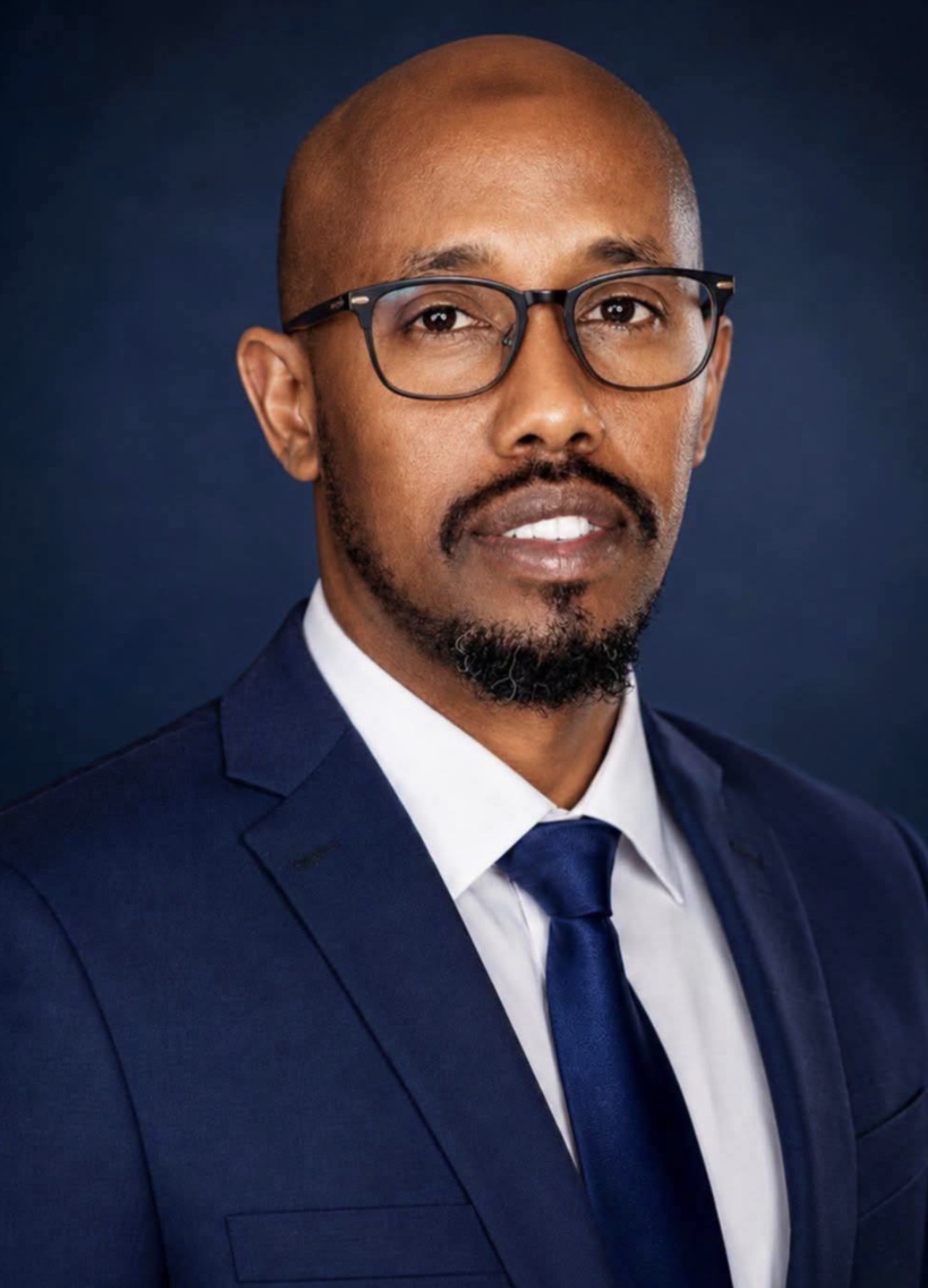
Those landings are integrated with a next-generation, high-capacity terrestrial fibre network covering a significant portion of Somaliland and engineered to extend into Ethiopia and South Sudan. “East Africa’s digital economy demands more than bandwidth — it demands resilience,” said Mr Mohammed Ibrahim Ahmed, CEO of Somcable Submarine Network.
“Our vision is a connected East Africa where landlocked nations and coastal hubs alike can access diverse, high-capacity routes that drive economic growth and digital inclusion.”
Chief Technology Officer Mr Abdurahman Yusuf outlined the engineering behind that vision.
“Our dual landings at Berbera give us a concrete technical advantage – two physically diverse subsea routes into East Africa, directly integrated with a terrestrial backbone built to reach landlocked markets.
“By leveraging our next-generation DWDM network, we provide proven operational resilience. From Berbera, we are engineering stable, high-speed routes that serve Ethiopia, South Sudan and the wider region, ensuring that no market is left behind.”
With regional offices in Dubai, Djibouti and Addis Ababa, Somcable is strengthening its ability to serve customers across East Africa, the Gulf and beyond.
This regional strategy is already in motion. In January 2026, Somcable held strategic talks with Ethio Telecom to explore a cross-border digital partnership focused on expanding digital services and reinforcing international capacity lease agreements — a significant opportunity in a market exceeding 120 million people that trades daily with northern Kenya.
As part of its strategic evolution, Somcable continues to strengthen its partnership with Google, providing direct, high-speed connectivity to Google Cloud and content services through virtual peering at major Internet Exchange Points (IXPs), ensuring low-latency access across East Africa.
The ITW conference serves as a massive networking hub where carriers, satellite operators, subsea network operators and data centre providers negotiate the deals that will keep East Africa online for the next decade.
That those deals are being negotiated in Nairobi—with alternative routes such as Berbera on the table—reinforces Kenya’s role not just as a cable landing point, but as the region’s deal-making capital.
By: Mohamed Ibrahim Ahmed